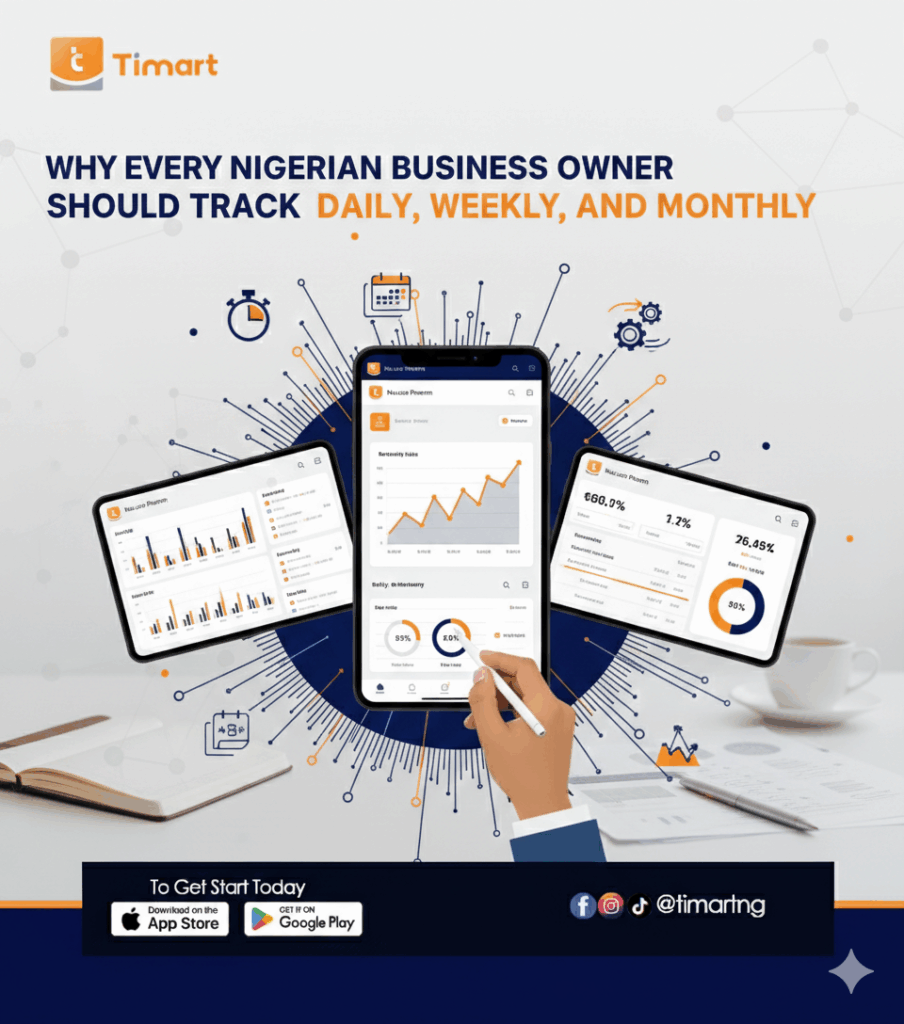
Discipline Beats Hustle in Business, Nigeria’s fast-moving business environment, hustle is celebrated. We admire the entrepreneur who works long hours, chases customers, and never seems to rest. But here’s the truth: hustle without structure leads to burnout. Hustle without measurement leads to confusion. What truly separates thriving businesses from struggling ones is discipline, especially when it comes to business metrics for SMEs. Smart entrepreneurs know that tracking business performance consistently, daily, weekly, and monthly, creates clarity, control, and sustainable growth.
If you’re a Nigerian business owner, this guide will show you exactly what to track, why it matters, and how to build a system that keeps your business on course. Why Business Metrics for SMEs Matter, You Can’t Improve What You Don’t Measure.
Metrics are not just numbers, they are signals. They tell you: What is working, What is leaking money, Where growth is possible, When to make adjustments, Without clear data, decisions are based on emotion or guesswork. Tracking Business Performance Builds Discipline. Discipline means reviewing your numbers even when things seem fine. It means checking daily sales, not just when cash runs low. It means reviewing monthly profit, not just revenue. When you track consistently, you stop reacting and start leading.
Daily Metrics Every Nigerian Business Owner Should Track
1. Daily Sales Revenue: This is the total amount earned in one day. Why it matters: Shows real-time performance, Helps identify slow or strong days, Reveals seasonal or daily patterns, Ask yourself daily: Did we hit our sales target today?
2. Daily Expenses: Track every expense, even small ones. Common daily expenses include: Transport, Supplies, Utility payments, Staff allowances, Ignoring small expenses is a silent profit killer.
3. Cash Flow Position Know: How much cash is on hand, How much is in the bank, What payments are pending, Poor cash visibility is one of the top reasons SMEs struggle.
4. For product-based businesses, track: Items sold, Items low in stock, Fast-moving products, Running out of stock means lost sales.
5. Customer Activity Track: Number of customers served, Repeat customers, Customer complaints, Customer patterns tell you where to improve. Weekly Metrics for Better Business Control, weekly tracking allows you to step back and see trends.
6. Weekly Sales Growth: Compare this week’s revenue with last week’s. Questions to ask: Are sales increasing or declining? What caused the change? This helps you respond quickly to market shifts.
7. Gross Profit Margin: Revenue is not profit, Revenue – Cost of Goods Sold = Gross Profit, this shows whether your pricing strategy is working.
8. Marketing Performance Track: Campaign results, Social media engagement, Customer referrals, Are your promotions bringing returns?
9. Staff Productivity Review: Sales per staff, Output levels, Attendance, Strong teams drive performance.
10. Operational Issues Review any: Delays, Stock shortages, Customer complaints, Weekly reviews prevent small problems from becoming major crises. Monthly Metrics That Determine Long-Term Growth, Monthly tracking gives you strategic insight.
11. Net Profit: This is your real reward after all expenses. Formular is Revenue – Total Expenses = Net Profit. If revenue is growing but profit is not, something is wrong.
12. Expense Breakdown Analyze: Rent, Salaries, Utilities, Marketing, Logistics. Which expenses are rising? Which can be reduced?
13. Customer Retention Rate: How many customers came back? Repeat customers cost less to serve and increase profitability.
14. Debt and Payables Review: Loans, Supplier payments, Outstanding Invoices. Ignoring debts leads to stress and instability.
15. Overall Business Performance Dashboard: A monthly summary of all key indicators helps you see the big picture. This is where structured business metrics for SMEs become powerful. Instead of guessing how your business is doing, you can clearly see trends, risks, and opportunities.
Tracking Business Performance: The Discipline System
Step 1: Set Clear Targets, define: daily sales targets, weekly growth goals, monthly profit objectives. Without targets, numbers have no meaning.
Step 2: Review at Fixed TimesDaily: End-of-day review Weekly: Every Friday or Sunday Monthly: First week of the new monthConsistency builds discipline.
Step 3: Use Simple Tools: Manual tracking works but it is prone to error and delay. Digital systems make it easier, faster, and more accurate.
Why Hustle Alone Is Not Enough
Many Nigerian entrepreneurs work extremely hard. They: Open early, Close late, Chase customers Run promotions, but without structured tracking, effort does not always equal results. Discipline in tracking business performance ensures: Better decisions, Reduced financial surprises, Steady growth, Hustle gets you started. Discipline keeps you growing.
Smarter Tracking for Nigerian SMEs
Modern tools are making it easier for Nigerian businesses to stay disciplined. Digital platforms like Timart Business App offer: Clear dashboards showing daily and monthly performance, automated reports that summarize sales and expenses, reminders to review metrics, real-time visibility from your phone, instead of juggling notebooks and spreadsheets, business owners can track everything in one place. Dashboards turn numbers into insights. Automated reports reduce errors. Reminders encourage discipline. The result? Peace of mind and better control.
FAQs:
1. What are the most important business metrics for SMEs? Daily sales, expenses, cash flow, profit margins, and net profit are essential.
2. How often should I track business performance? Daily for operational data, weekly for trends, and monthly for strategic insights.
3. Why is tracking business performance important? It reduces guesswork, improves decision-making, and supports sustainable growth.
4. Can small businesses benefit from dashboards? Yes. Even micro-businesses gain clarity from visual summaries of their performance.
5. What happens if I don’t track my numbers consistently? You risk financial losses, missed opportunities, and poor planning.
6. Is digital tracking better than manual methods? Yes. Digital systems reduce errors, save time, and provide real-time insights.
Conclusion
Build a Business on Discipline, Not Just Energy, success in Nigeria’s competitive market is not about working the longest hours. It is about working smart and consistently reviewing your numbers. When you focus on the right business metrics for SMEs and commit to tracking business performance daily, weekly, and monthly, you move from hustle to leadership. Discipline beats hustle every time.